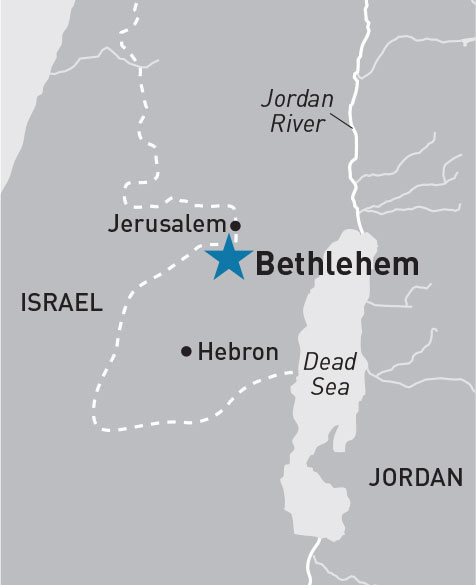
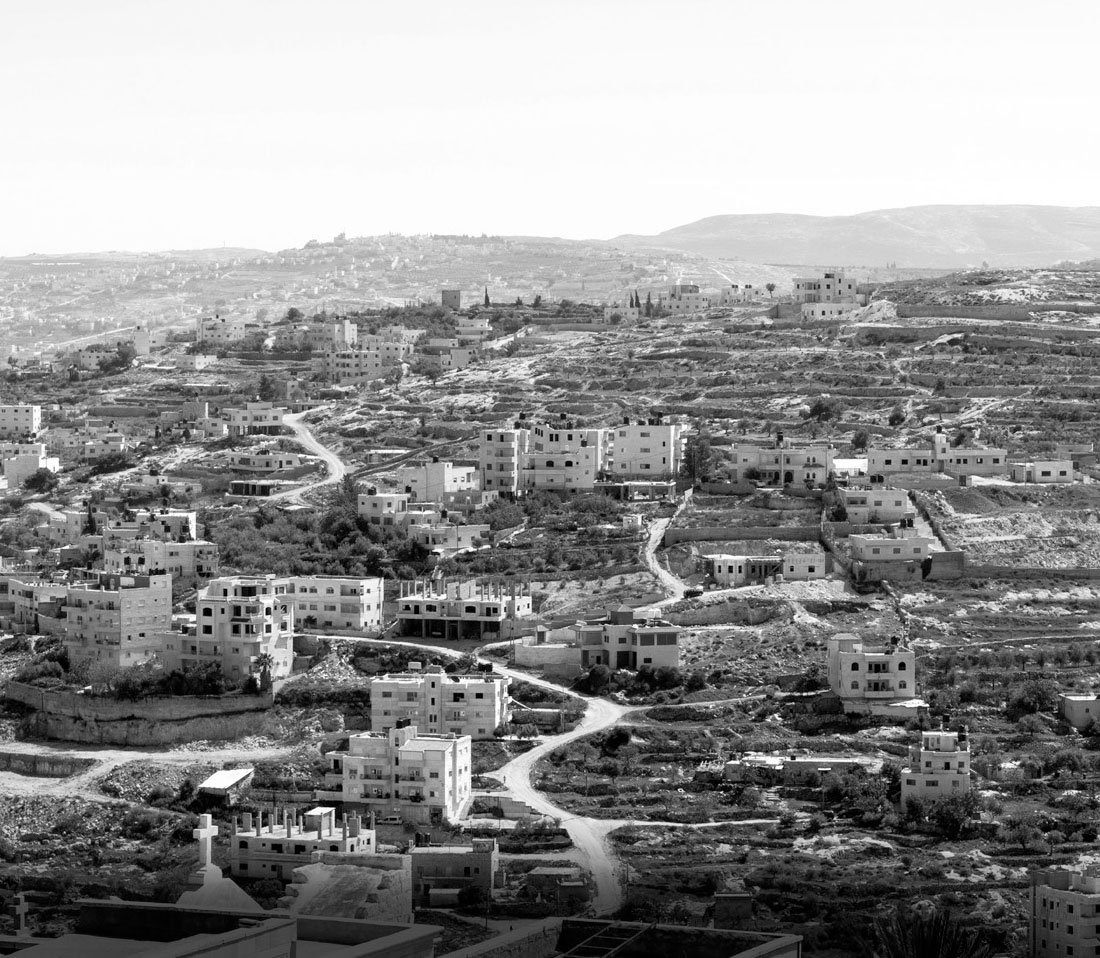
Little Town of Bethlehem. Bethlehem seems insignificant, but it has a place of great importance in God's story.

BETHLEHEM An Ignoble Beginning Redeemed

RUTH 1

SCRIPTURE’S INTRODUCTION OF BETHLEHEM isn't pretty. Jacob buried his favorite wife, Rachel, on the way to Bethlehem after she died a tragic death (Gen. 35:16-19). The book of Judges mentions Bethlehem in conjunction with a corrupt priest who became a mercenary for idolaters (Judg. 17:7-9). Another account describes a concubine from Bethlehem who was brutally raped and dismembered (Judg. 19:1-30). Not a great beginning for the little town of Bethlehem.

But then the scene shifts. The book of Ruth ushers in the noble characters of Ruth and Boaz. Like lights in the dark days of the judges, this couple honored God with their lives—and made their home in Bethlehem. Their great-grandson David would become Israel's greatest king (Ruth 4:11, Ruth 4:17-22), and Bethlehem would be David's hometown. The Lord promised David that one of his descendants would sit on his throne and rule over an eternal Kingdom (2 Sam. 7:16). The prophet Micah further revealed that this ruler of Israel, the Messiah, would be born in ignoble Bethlehem (Mic. 5:2). It was this prophecy from Micah that drove the mad King Herod to kill all the baby boys in Bethlehem after hearing of the birth of Jesus (Matt. 2:1-16).

In spite of its sordid beginning, Bethlehem is immortalized forever as the birthplace of the Messiah. Jesus came in humility being born in shabby little Bethlehem and dying an ignoble death in Jerusalem because our greatest need before God is spiritual, not physical. We needed a Savior before we needed a King (Heb. 9:28). God transformed Bethlehem from insignificant to meaningful, as He does our lives, when Jesus was born there.