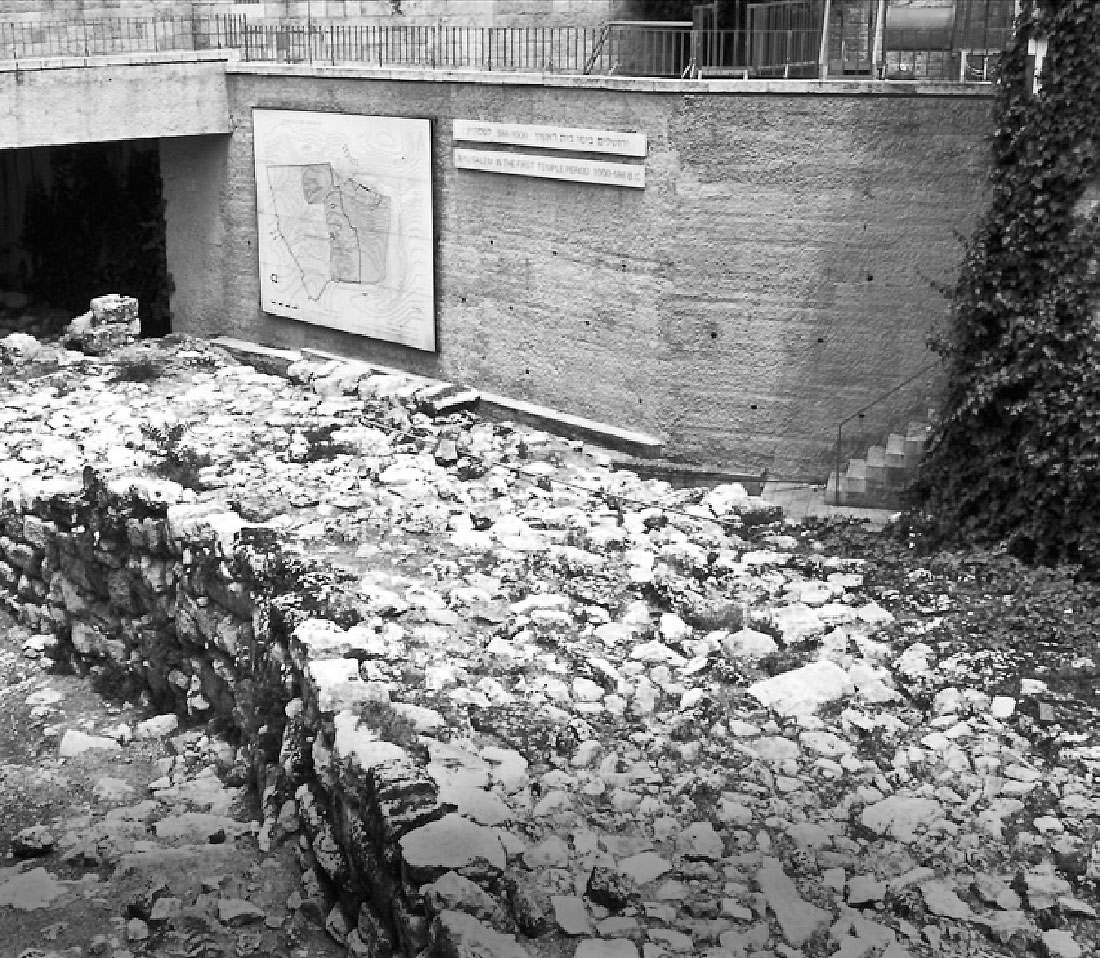
A portion of the Broad Wall that Hezekiah constructed around Jerusalem's western hill still stands in the Jewish Quarter of the city.

HEZEKIAH'S TUNNEL AND WALL A Lesson from Archaeology

2 CHRONICLES 32

THE ANCIENT WORLD had a bully system that worked in straightforward terms. A nation would conquer a region and demand tribute from its people annual payment of money and goods. If they didn't pay the tribute, the controlling nation would come and kill them. Pretty simple system.

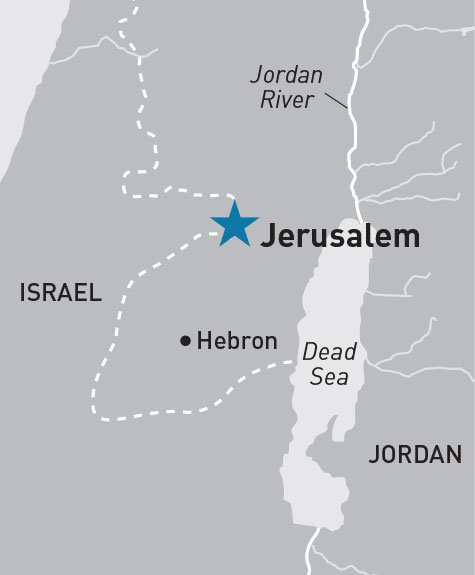
King Hezekiah refused to pay tribute to the Assyrian bully, so the enemy invaded Judah and began besieging the fortified cities (2 Chr. 32:1). Hezekiah cut off the water supply from the Gihon Spring to the outside of the city and "brought the water down through a tunnel to the west side of the City of David" (2 Chr. 32:30) in an effort to preserve water for the city and prevent the Assyrian invaders from getting the water for themselves. Today this channel is called Hezekiah's Tunnel, and modern visitors to Jerusalem can wade the full length of it. The famous Siloam Inscription, discovered at the end of the tunnel, describes in ancient Hebrew script the process of digging the passageway.

To protect the large number of refugees who had scrambled south after Assyria invaded the northern kingdom twenty years earlier, King Hezekiah had also built a wall around the western hill of the city of Jerusalem (2 Chr. 32:5). A portion of this wall still stands in today's Jewish Quarter.

The people of Jerusalem had a wall. They had water. They even had weapons. But those preparations were not where they placed their confidence. Hezekiah prayed to the Lord, along with the prophet Isaiah, and encouraged the people with words of faith (2 Chr. 32:7-8). And what happened? The Lord sent an angel, who wiped out the Assyrian army. So much for the bully.

Our preparations for opposition must include practical matters. But we must also prepare with prayer.