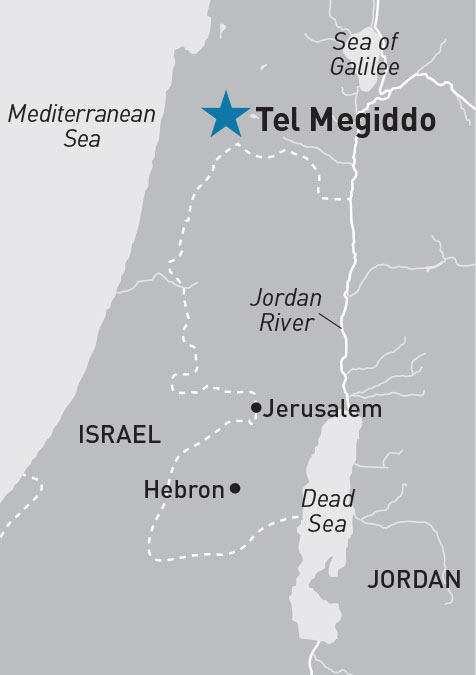
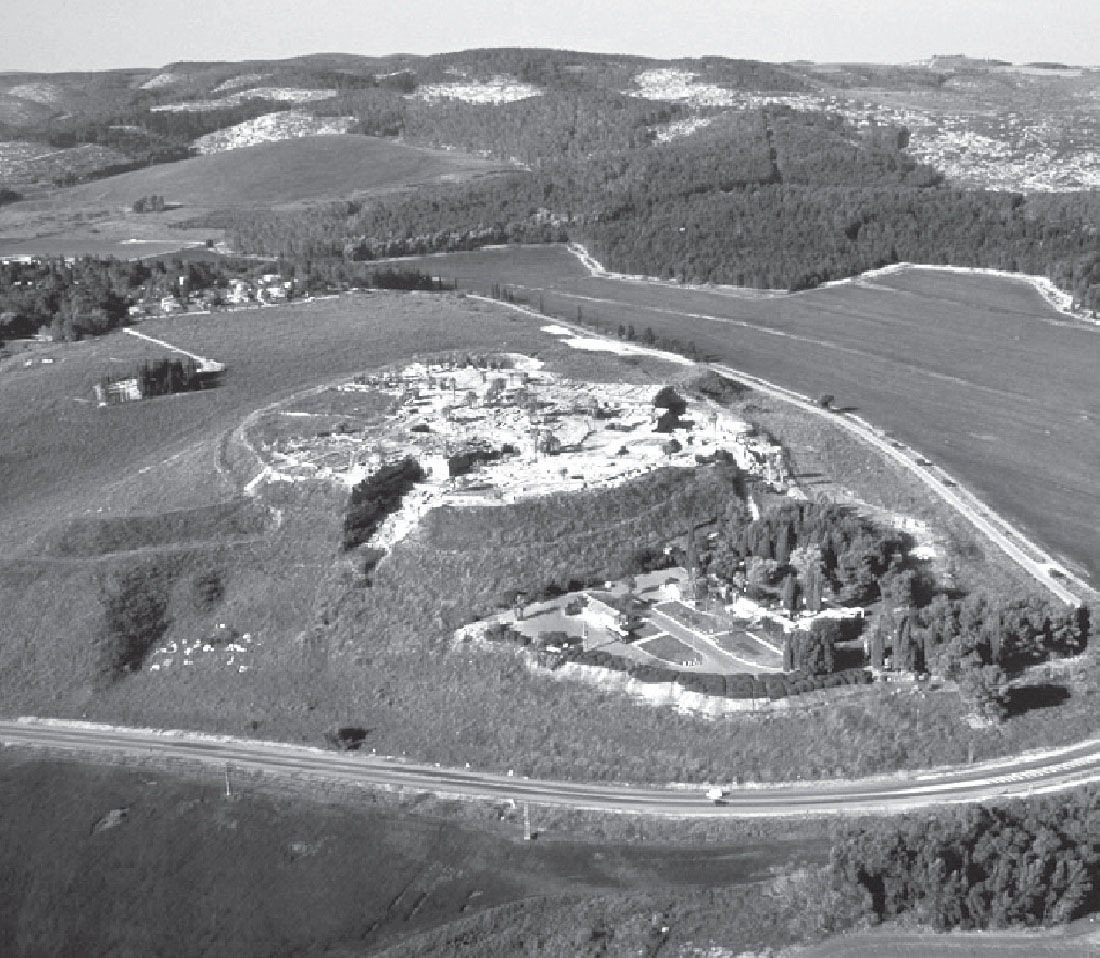
A Strategic Location. The city of Megiddo was important for ancient trade and travel.

TEL MEGIDDO And What Megiddo Tells

JOSHUA 12:7-24

IF WE COMPARE the land of Israel to the game of Monopoly, Megiddo would be Boardwalk. It was the most coveted spot on the playing board. Megiddo's tremendous value came from its strategic location as the sentinel of the most important pass through the Mount Carmel range. Whoever held Megiddo in the ancient world controlled the traffic and trade along the Great Trunk Road to and from Egypt. That meant both military and financial security.

Geography doesn't change. That's why for centuries Megiddo’s strategic location remained the envy of all who passed through the land of Israel. Its strategic value simply can't be exaggerated.

The site's name first appeared on the pages of history when Thutmose III chiseled it on the walls of the Karnak Temple. Thutmose III the pharaoh who oppressed the enslaved Hebrews journeyed north through the Mount Carmel range by means of the Megiddo Pass, conquering the fortified city in 1468 BC. "Taking Megiddo", he said, "is like capturing a thousand cities".

Biblical history affirms Megiddo's significance. Joshua defeated Megiddo about seventy years after Thutmose III conquered it. Solomon fortified the city during his empire (1 Kgs. 9:15). Shishak sacked the city in 923 BC, and the Israelite king Ahab rebuilt on its ruins. More recently, Tel Megiddo witnessed the strategic victory of General Edmund Allenby against the Ottomans in AD 1918.

The strategic value of Megiddo's location not only looks backward but also points forward. The Bible predicts a battle to come where the opposition to the Messiah will gather at "a place with the Hebrew name Armageddon" (Rev. 16:16) meaning "the hill of Megiddo". The battle of Armageddon will culminate at the second coming of Jesus Christ, after which He will rule the world. Megiddo indeed shows God as the Lord of all history and thus the Lord of our lives.